
Introduction
A nonprofit spends months lobbying quietly for a policy change. Then a single op-ed runs in a major regional paper, and suddenly legislators are returning calls they'd ignored for weeks. That's the power of media placement. No ad buy delivers the same effect.
The trouble is, "media placement" gets thrown around loosely. It covers everything from a paid TV commercial slot to a front-page investigative feature, and treating those as interchangeable leads to wasted budget and mismatched expectations.
This guide breaks down what media placement actually means, how paid and earned approaches differ, and why the distinction matters most for organizations trying to shape public opinion or move policy forward.
Key Takeaways
- Media placement covers both paid advertising and earned, PR-driven coverage
- Earned media builds third-party credibility; paid placement gives tighter message control
- Strong programs rest on clear goals, audience research, and ongoing media relationships
- Policy-focused organizations use placement to amplify advocacy and shape public debate
What Is Media Placement?
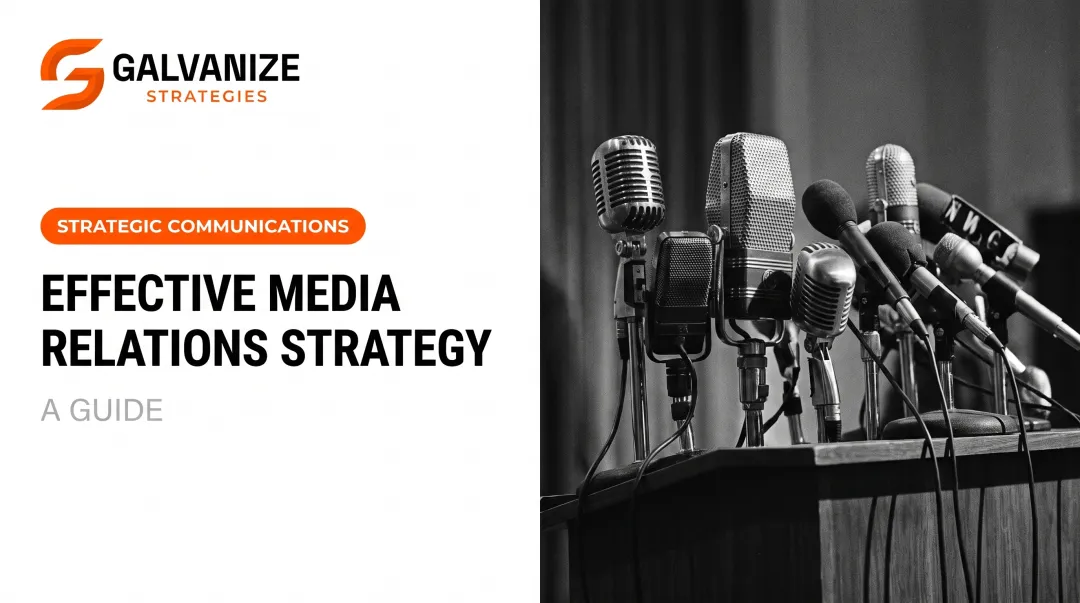
Media placement is the strategic positioning of content, ads, or sponsorships across publications, broadcast, and digital platforms to reach a defined audience. It puts your message where that audience already pays attention—and when they are most likely to act on it.
In agency contracts, the term takes on a narrower meaning. It typically refers to purchased advertising, sponsorship, or promotional space secured by an agency on a client's behalf — a formal, transactional definition that shows up in media buying agreements and government procurement rules alike.
Media Placement vs. Advertising Placement vs. Product Placement
These three terms get confused constantly, but they describe different layers of the same activity:
- Media placement — the overall strategic decision about which channels and platforms carry your message
- Advertising placement — the specific paid slot within that channel, such as a 6 p.m. news TV spot or a targeted Facebook ad
- Product placement — a branded product woven into entertainment content, like a car brand appearing in a film scene
Product placement operates under its own rules. The FTC notes that simply showing a product in entertainment content generally doesn't require a disclosure under the FTC Act. FCC rules, however, require separate disclosure for product placement in television programming.
Paid vs. Earned Media Placement
Paid media placement is purchased outright: ads, sponsorships, promoted posts. You control the message, timing, and audience, but everyone knows you paid for it.
Earned media placement is secured through pitching, relationship-building, and a story worth telling. Nobody paid for it, which is exactly why it carries weight.
Research from the Institute for Public Relations found that when consumers evaluated an earned news story alongside a newspaper ad, a native ad, and blog content, the earned story consistently earned the highest credibility marks.
Participants weighed the journalist's independence, the outlet's reputation, and how balanced the coverage felt. Advertising registered as useful for awareness but far less trustworthy.

Types of Media Placement Channels
Media placement isn't one lane. It runs across three broad categories, each with distinct strengths.
Traditional channels deliver broad reach and inherited credibility:
- Television and radio spots
- Print publications
- Outdoor and billboard advertising
Digital channels offer precision and real-time control:
- Display and video ads
- Social media advertising
- SEM and PPC campaigns
Earned and owned channels build authority without a media buy:
- Press coverage secured through pitching
- Guest op-eds and bylined thought leadership
- Influencer and expert placements
Most organizations that get real traction blend all three. A digital ad campaign might drive short-term traffic. An earned feature in a trade publication builds the credibility that makes a legislator, investor, or customer take a second look.
Neither replaces the other; they solve different problems on different timelines.
Why Media Placement Matters
Credibility you can't buy. Third-party validation changes how a message lands. When a journalist independently reports on your organization's work, readers assume someone outside your payroll found it worth covering. That assumption does a lot of work you'd otherwise have to buy with ad spend alone, consistent with the IPR credibility findings referenced above.
SEO and digital authority. Media coverage often generates backlinks, and backlinks still matter for search visibility. Ahrefs' analysis of roughly 14 billion pages found that among pages with zero referring domains, only about 1 in 6,671 managed more than 1,000 monthly search visits.
Coverage from a respected outlet doesn't guarantee rankings. It remains one of the few organic signals that consistently correlates with visibility.
Reach, perception, and outcomes. Beyond credibility and search, media placement:
- Expands reach among the demographic or stakeholder groups a campaign needs
- Shapes how an issue gets framed publicly, which matters for organizations facing regulatory scrutiny or contested policy debates
- Supports concrete goals such as lead generation, stakeholder buy-in, or public support for a cause
None of this happens from a single placement. It's cumulative. One op-ed rarely changes a policy debate, but a sustained presence across the right outlets shifts how an issue gets discussed.
How to Build a Media Placement Strategy
A media placement strategy without clear goals is just noise generation. Here's the sequence that actually works:
- Define objectives and KPIs first: brand awareness, website traffic, lead generation, or shifting opinion on a specific issue all require different tactics
- Research your audience's media habits: know which outlets, platforms, and journalists they already trust before pitching anyone
- Build a targeted media list: prioritize journalists and producers already covering your industry or issue area over a mass blast to unrelated contacts
- Craft a compelling pitch and media kit: a strong hook, supporting data, and past coverage examples make it easy for a journalist to say yes
- Pitch consistently, not just once: treat outreach as relationship-building, not a transaction
- Track results and refine: measure which placements actually moved your defined KPIs, then double down on what works

Those third and fifth steps matter more than most organizations realize. Data from PR Daily's analysis of nearly 500,000 pitches found that only 3.15% received any response at all, including outright rejections. Nearly half of the responses that did come in arrived within the first hour of the pitch landing.
That's a brutal ratio for anyone treating media relations as a volume game. It's a much better ratio for anyone who's spent years building relationships with specific reporters who already know their beat, their deadlines, and what makes a story worth their time.
Media Placement in Advocacy and Government Affairs
Media placement and direct lobbying aren't competing strategies. They reinforce each other. A well-timed op-ed or expert commentary segment can shape how legislators and their staff think about an issue before a bill reaches committee, and it can sustain public pressure after a vote.
Timing is the differentiator. Getting ahead of a news cycle or a legislative session, rather than reacting after someone else has framed the debate, separates proactive narrative-shaping from damage control.
At Galvanize Strategies, the pairing shows up in day-to-day client work. The partners bring both legislative experience and an active media presence:
- Cesar Chavez served in the Arizona State Legislature from 2017 to 2023, including work on a historic $14 billion bipartisan budget, and has appeared as a political analyst on major media networks
- Luis Acosta is a regular voice on KTAR, offering real-time commentary on the issues shaping Arizona
Insider legislative experience plus ongoing media presence lets the firm connect strategic communications with government relations for clients pursuing policy or procurement outcomes.
That dual approach has contributed to 376+ pieces of legislation passed or defeated and $600M+ in government procurement secured for clients. The work draws on direct advocacy alongside the communications and narrative-shaping capabilities described throughout this guide.
Frequently Asked Questions
What is an earned media placement?
An earned media placement is coverage secured without direct payment, typically through pitching journalists or providing a newsworthy story. It carries higher perceived credibility than paid advertising.
What is advertising placement?
Advertising placement is the specific location and timing of a paid ad, such as a TV time slot, billboard, or targeted social media spot within a broader campaign.
How much does media placement typically cost?
Costs vary widely. Paid placements involve media buy costs plus agency fees, often structured as a commission on total spend. Earned placements cost time and relationship-building, not a media buy.
How long does it take to secure a media placement?
Earned placements can take weeks or months, depending on relationship-building and news timing. Paid placements can often be scheduled and go live within days once budget and creative are finalized.
Is media placement the same thing as public relations?
No. Media placement is one tactic within the broader discipline of public relations, which also includes reputation management, crisis communications, and stakeholder engagement.
Can media placement support policy or legislative advocacy efforts?
Yes. Strategically placed op-eds, news coverage, and expert commentary can build public and legislative support for a policy position, making media placement a valuable complement to direct lobbying.